
Throughout the eighth-generation A6's life cycle, Audi pulled and stretched the midsize luxury car in various directions to meet the disparate needs of its customers. Whether you wanted economy in the base A6 45, rugged capability in the A6 Allroad, or ridiculous power in the RS6 Avant, there was an A6 for you. Now, for its all-new ninth generation, Audi's wiping the slate clean and simplifying the offerings, with a single A6 sedan meant to offer enough performance and capability to satisfy most drivers.

Photo: Tim Stevens
This new 2026 A6 grows by more than 2 inches, adding an even more stately presence to Audi's second largest sedan. It also gains more power. The only engine available is a 3.0-liter V6 producing 362 horsepower and 406 pound-feet of torque. That is 27 hp and 37 pound-feet more than the mid-tier 2025 A6 55. According to Audi, that is enough to reach 60 mph in 4.5 seconds. It also delivers more standard technology and safety features, plus three years of free scheduled maintenance.
The 2026 A6 is available in a single body style, a five-passenger sedan, with a single engine. There are three trim levels: Premium, Premium Plus, and Prestige, with base prices ranging between approximately $65,000 and $73,000, including the destination charge.
For this 2026 A6 review, Audi provided a test vehicle equipped with Prestige trim and the following options:
The test vehicle’s manufacturer suggested retail price (MSRP) was $83,490, including the $1,295 destination charge to ship the sedan from the Neckarsulm, Germany, assembly plant to a local dealership. The price does not reflect any current rebates, incentives, or price adjustments since Audi manufactured the test vehicle.
I also spent time in an A6 Prestige with the Sport Plus package, on 21-inch wheels with summer tires and a sport suspension, which had an MSRP of $79,140, including the destination charge.

Photo: Tim Stevens
While Audi's new A6 does not exactly break the mold from what came before, it brings a bit more aggression to the table in the form of Audi's trademark Quattro fender flares at the rear and some big, purposeful air intakes down low on the front fascia. It is a good-looking machine that should provide a solid foundation for sportier variants to come.
That extra room is felt most in the rear seats, though they have lost a few tenths of an inch of legroom compared with the previous model. Despite the car's sleek profile, there is enough headroom in the back for taller adults, even three across in a pinch.
Front seating, though, is far roomier and more comfortable than the previous model. Audi's sport seats are generously sized and deeply cushioned, with plenty of cooling to keep my posterior feeling fine on a warm, sunny day. The massage is on the moderate side but was likewise welcome.
Materials throughout the cabin are solid, with plush microfiber and a soft-touch rubber on most surfaces. A slender strip of wood or carbon fiber runs along the center console to distinguish between the Exclusive and Sport Plus packages. It is an interior that has the look and feel of quality, but it falls a step short of the opulence of many modern Mercedes or the class of comparable BMWs.
Meanwhile, the rim of the sporty three-spoke steering wheel feels great in the hand, but the capacitive touch buttons on its face are clumsy and unsatisfying to use. On top of that, I kept accidentally hitting them when simply turning the wheel.

Photo: Tim Stevens
Audi's latest Digital Stage Multi Media Interface (MMI) comes with either two or three displays, depending on the trim you choose. The primary center display is a 14.5-inch OLED that delivers brilliant colors and truly deep blacks. It also features a subtle curvature, making everything slightly easier for the driver to reach.
That display sits next to the 11.9-inch gauge cluster, both set inside a large, sweeping panel that is substantially wider and taller than the two displays it contains. That leaves unsightly, unnecessary black bezels on all sides. It looks and feels a bit clumsy.
The optional third display sits ahead of the passenger and features a 10.9-inch screen that blacks out from the driver's view when playing movies, games, or other distracting content. Finally, there is an optional head-up display for the driver.
Standard features include:
Navigating the MMI's features and functions is easy thanks to two columns of icons that represent the major parts of the user interface. There is a small lag when switching between screens, but overall it is responsive enough.
However, the gauge cluster's lack of customization is frustrating. You can toggle through a few different information displays, but the expansive, colorful map view that was so dazzling when Virtual Cockpit first debuted over a decade ago is gone.
The integrated navigation system looks great on the center screen, at least, and finding points of interest or other destinations is easy, whether by typing or by voice. The voice assistant is reasonably snappy and responsive, but it lacks the additional AI integration offered by an increasing number of competitors.

Photo: Tim Stevens
Audi says the 2026 Audi A6 is all-new, but it certainly feels familiar behind the wheel. At lower speeds, cruising out of Palm Springs, California, where I did my testing before heading up into the mountains, the sedan was extremely relaxing.
The roads in this area are particularly smooth, but they can be rough at times, which can foil some suspensions. Not here. The adaptive air suspension delivered a perfectly smooth ride over the roughest asphalt I could find, yet it did not let the car wallow in the twisty sections to come.
I also had a chance to sample the Sport Plus suspension, which lowers the car by 0.8 inches and adds rear-wheel steering. It does away with the magic carpet sensation of the air suspension and is a bit harsher, but it is far from punishing. It just made the A6 feel a bit more connected and eager. A firm brake pedal also makes for an engaging drive.
The 3.0-liter V6, on the other hand, feels a bit relaxed at first. When you dive deeper into the throttle travel, it comes alive. You can barely hear it, even when it is working hard, but you can certainly feel the smooth application of torque and power.
The seven-speed dual-clutch automated transmission works well when you are moving, and standard Quattro all-wheel drive means grip will rarely be an issue, but things get a bit harsher when you stop. There is a brief hesitation after you get on the throttle before the transmission engages. That is paired with an unpleasant start/stop system that causes the whole car to lurch side to side every time the engine restarts.
These are minor quibbles, but they are frustrations that would have me wishing I were driving the all-electric A6 E-tron instead. That feeling would be reinforced at the pump. The Environmental Protection Agency (EPA) officially rates the 2026 Audi A6 at 23 mpg combined. In my mixed driving, I averaged 22 mpg.

Photo: Tim Stevens
Audi has definitely stepped up the standard features on the 2026 A6, including an extremely comprehensive active safety suite across every trim. That includes:
Step up to the Premium Plus or Prestige trims, and you get:
In my testing, the driver monitoring system did a great job of chiming in when I spent a little too long fiddling with the infotainment settings or eyeing a passing taco truck. Likewise, the adaptive cruise control maintained a safe distance from the car ahead, even in extremely bright sunlight.
The lane departure system worked well to keep the car in the lane, but the lane centering assistance left something to be desired. The A6 tended to wander back and forth across the lane, not staying perfectly centered as I would have expected. It is also disappointing that Audi offers no hands-free driver assistance on the A6, something increasingly common.
As of this writing, neither the National Highway Traffic Safety Administration (NHTSA) nor the Insurance Institute for Highway Safety (IIHS) has rated the 2026 Audi A6's crashworthiness.
According to the JD Power 2025 Initial Quality Study (IQS), the Lexus ES ranks highest in the Midsize Premium Car segment.
According to the JD Power 2025 Automotive Performance, Execution and Layout (APEAL) Study, the Lexus ES ranks highest in the Midsize Premium Car segment.
Other 2026 A6 competitors include the BMW 5 Series, Genesis G80, and Mercedes-Benz E-Class.
According to verified owners, the A6 earns an award as the highest-ranked model in its segment in the 2026 ALG Residual Value Awards.
The new A6 is a more visually striking car than before. Though its interior will not wow, it is eminently comfortable, a priority that other manufacturers sometimes forget in pursuit of more avant-garde designs. It offers just enough driver engagement to satisfy S6 owners, but a few rough edges and missing features leave it off to a good start, with room for improvement.
Tim Stevens is a veteran automotive and technology journalist with over 25 years of experience covering a wide range of topics, from smartphones to supercars. In addition to jdpower.com, his expert perspectives have appeared in numerous national and international outlets, including print, online, and broadcast television.


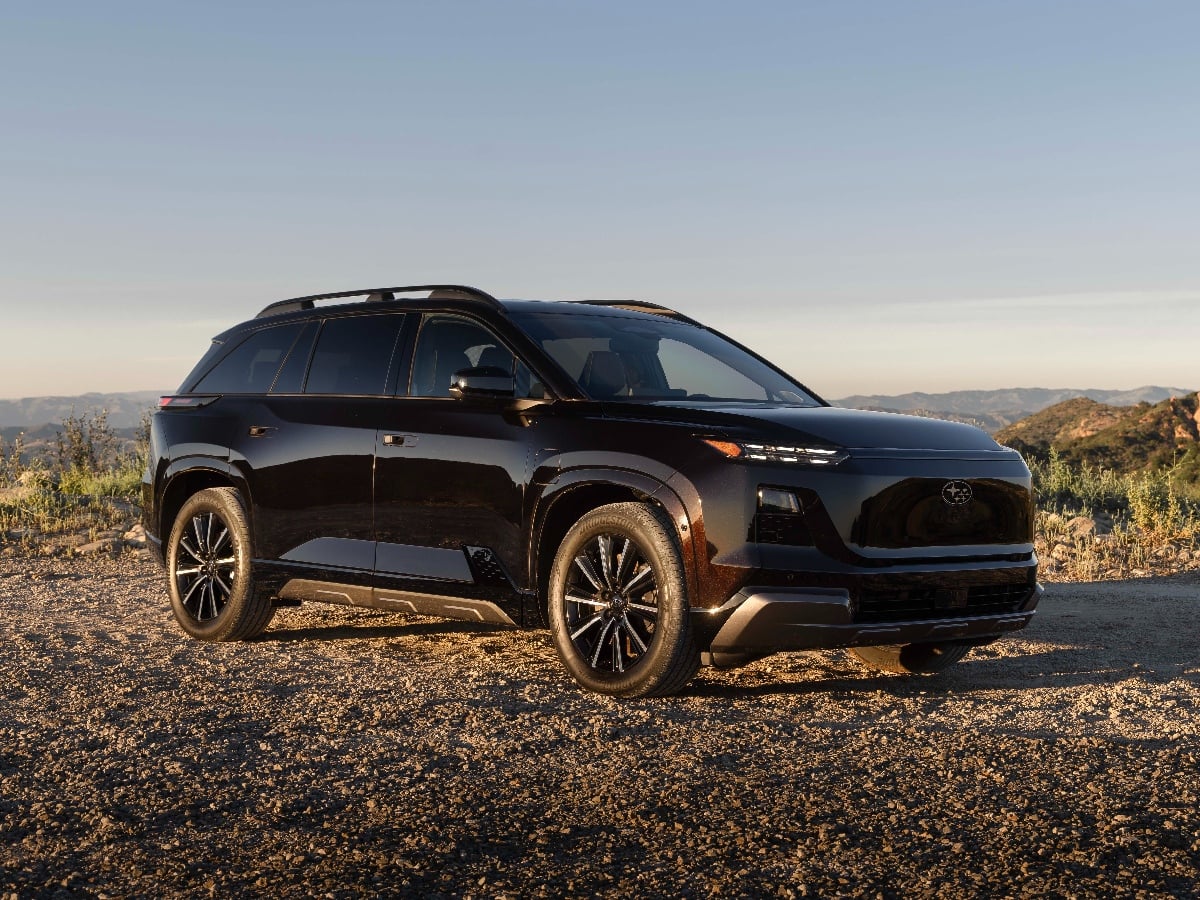
Arriving in late 2026, the new 2027 Subaru Getaway three-row SUV will be the largest of the brand’s now-trio of electric offerings, co-developed with Toyota. It has impressive specs that should make ...See More
Read the Full Article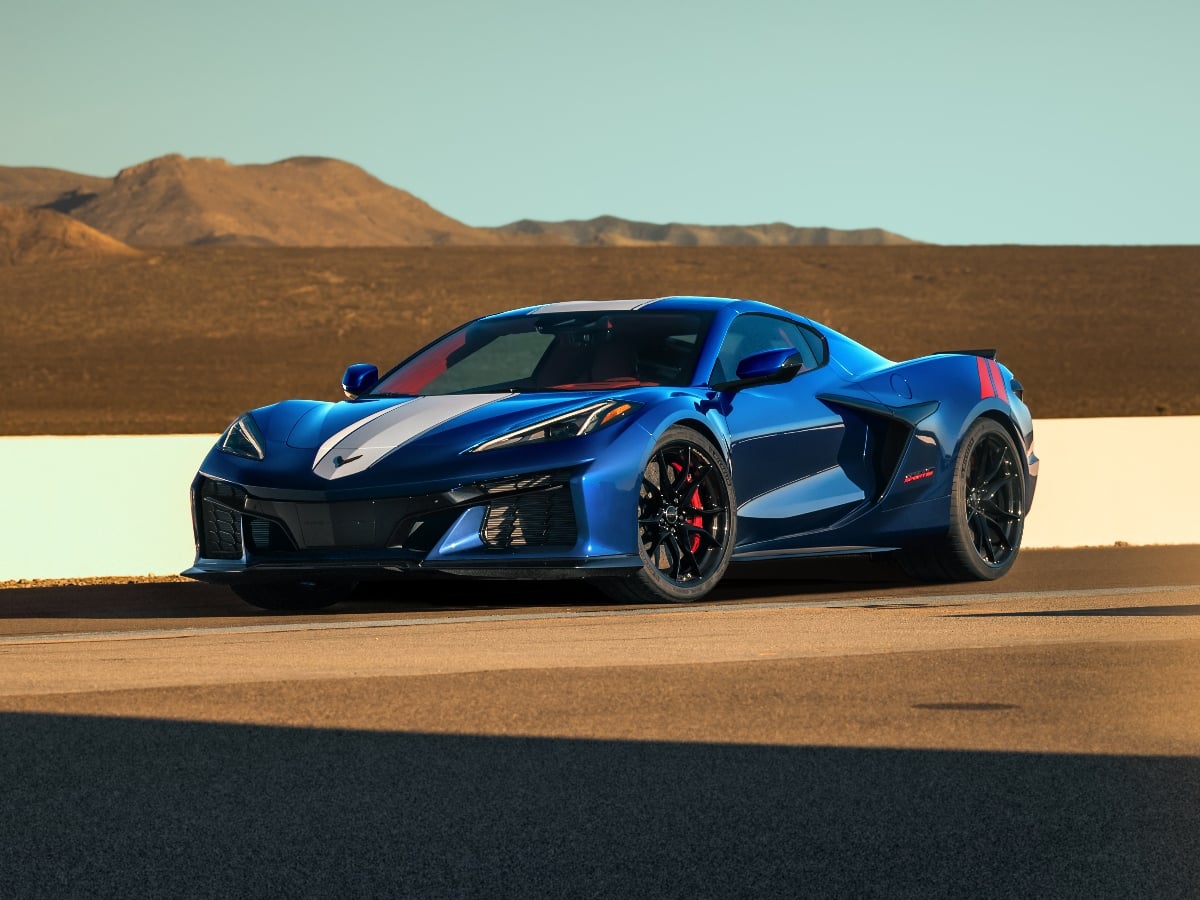
Bringing the ZR1's style to a more attainable model, the 2027 Chevrolet Corvette Grand Sport features all the best C8 go-fast bits, including an all-new 6.7-liter V8 engine.
Read the Full Article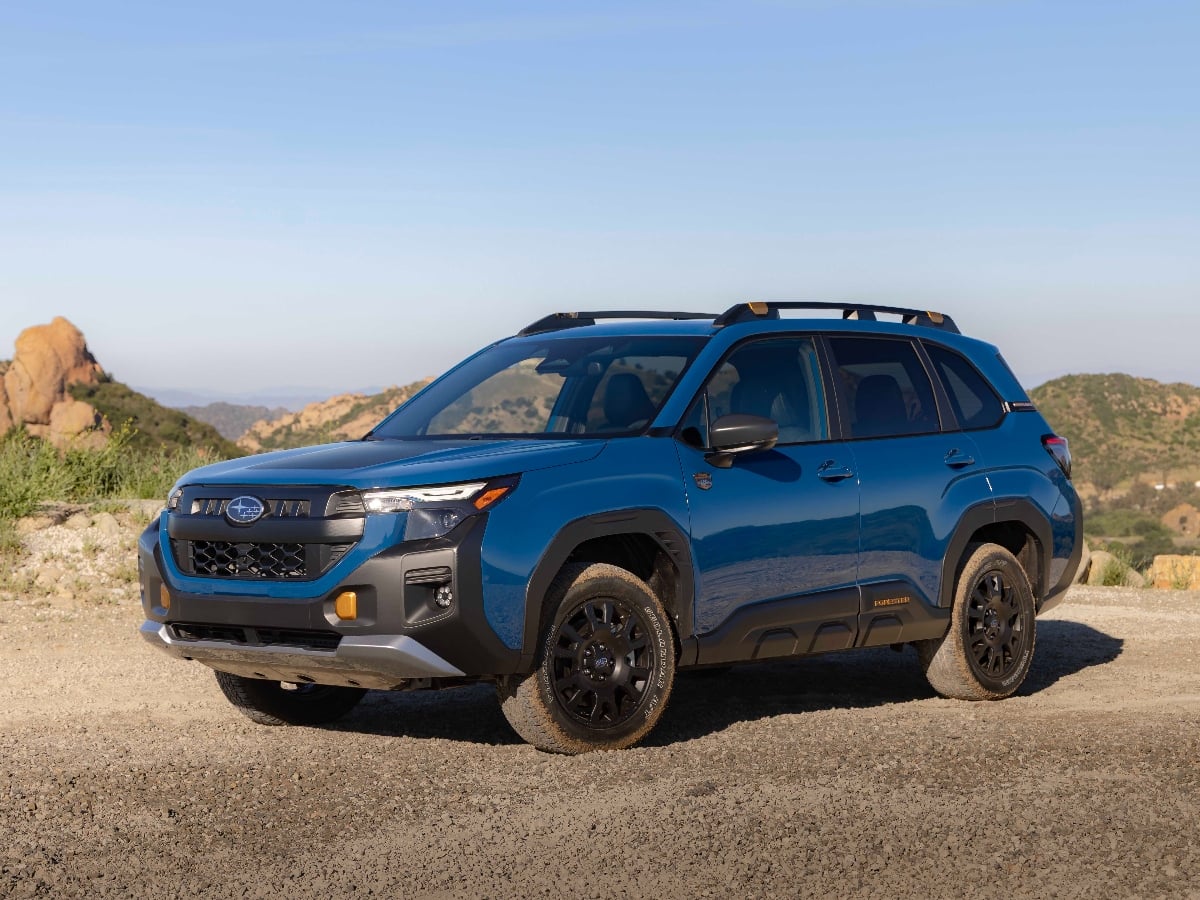
The new 2027 Subaru Forester Wilderness Hybrid brings together two branches of the existing Forester family tree: the fuel-efficient Forester Hybrid model and the off-road-oriented Wilderness trim ...See More
Read the Full Article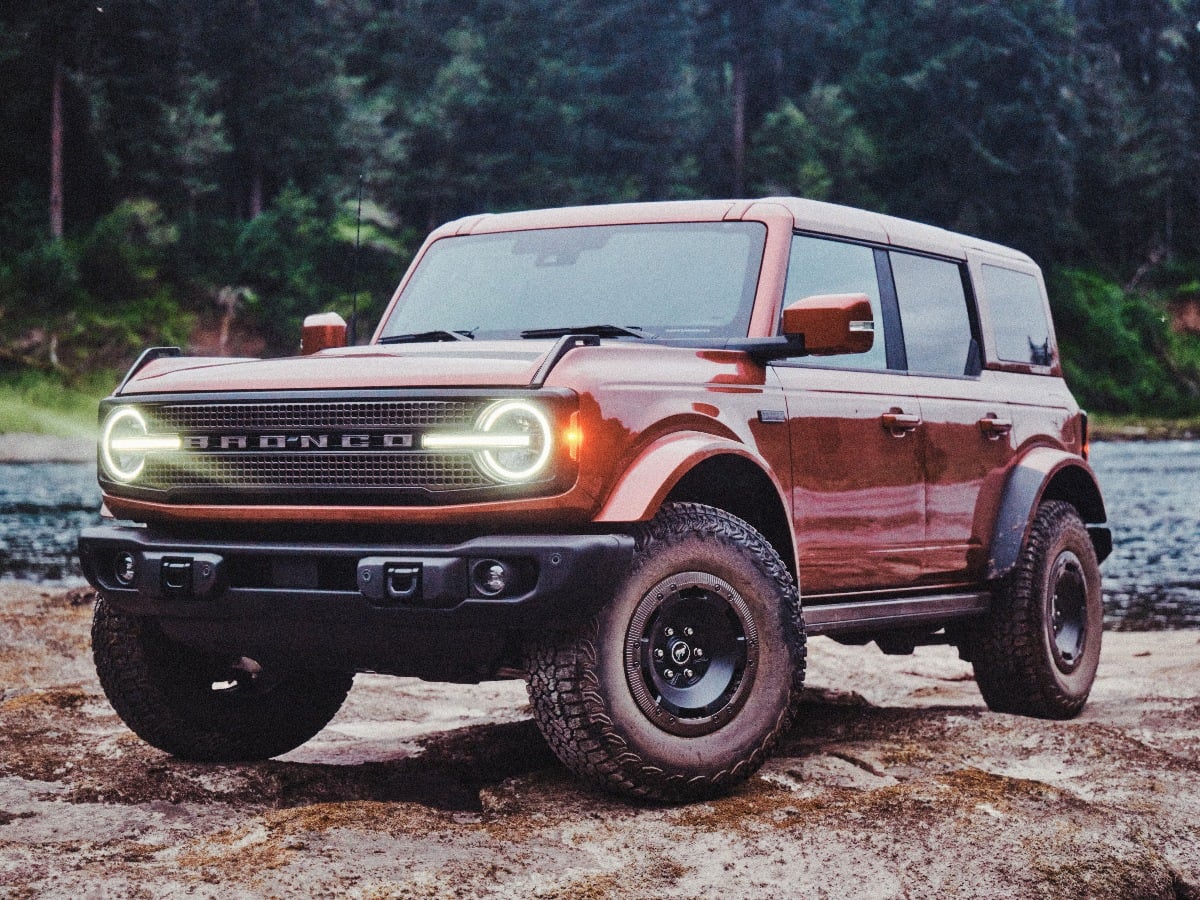
The 2027 Ford Bronco Filson falls on the fancier (and handsomer) end of the classic off-roader's lineup, with added comfort and convenience backed by confident power and trail capability.
Read the Full Article