
Touchscreens are almost universal in modern cars. You would struggle to find a new vehicle on dealership lots without some type of digital display, and more brands are offering two or even three. However, not all display types are the same, as an increasing number of the latest cars use something called an OLED display. But what exactly is OLED, and how does it compare to an LCD or traditional LED display? We have the answers.
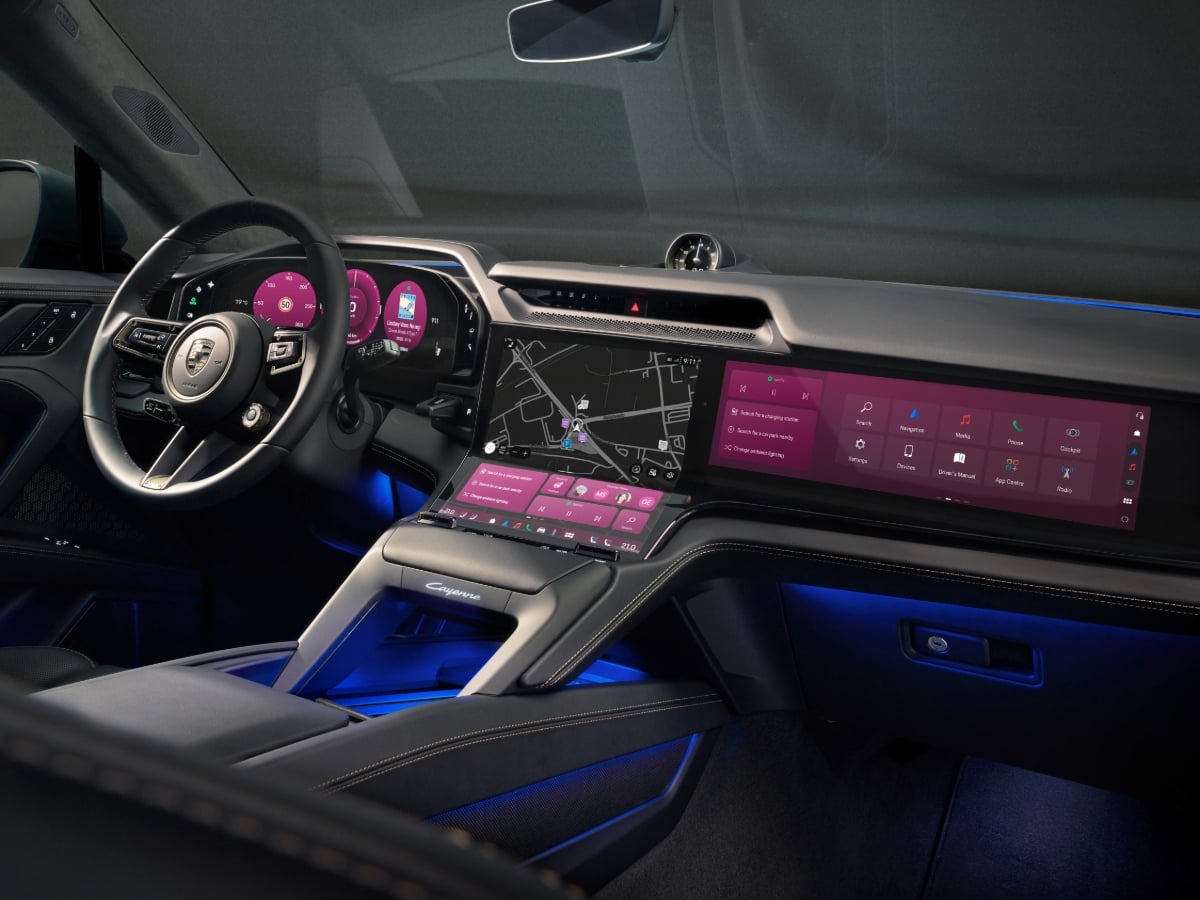
OLED stands for Organic Light-Emitting Diode. While the last three letters of OLED match the small bulbs that blink at you from various consumer electronics in your house, the organic part makes this significantly different. OLEDs are literally made from organic compounds that, when subjected to an electrical charge, emit light.
The beauty of an OLED is that each pixel is what is called self-illuminating, meaning it produces its own light. This differs from how a liquid-crystal display (LCD) works. LCDs depend on a backlight of some kind, which shines light through tiny, differently colored filters that create the pixels. By effectively opening or closing these filters, one each for red, green, and blue, LCDs can produce all the colors of the rainbow.
While there are different types of OLED displays, most used in automotive applications feature individual OLED pixels with different formulations for each color. That means no color filters and no backlight, which is what makes OLED unique.
Have you ever watched a movie late at night in a dark room on an LCD and noticed that even the "black" parts of the display still shimmer and glow? That is because light from that backlight leaks out. In an OLED, there is no backlight. Each pixel can be as bright or as dim as needed. If a specific part of the display needs to be black, it can be truly black.
This provides OLED displays with incredible contrast, making them perfect for night driving. Additionally, because they lack a backlight, OLED screens can be very thin and flexible, enabling manufacturers such as Audi and Porsche to incorporate beautiful, curved touchscreens into their dashboards.
OLED displays are not perfect. They cost more than comparable LCDs and can sometimes be prone to image retention. However, their advantages make them an increasingly common choice in luxury vehicles, which should be good news for anyone seeking less light pollution when driving at night in their next new car.
Visit the Shopping Guides section of the website to learn more about different automotive technologies.
Tim Stevens is a veteran automotive and technology journalist with over 25 years of experience covering a wide range of topics, from smartphones to supercars. In addition to jdpower.com, his expert perspectives have appeared in numerous national and international outlets, including print, online, and broadcast television.


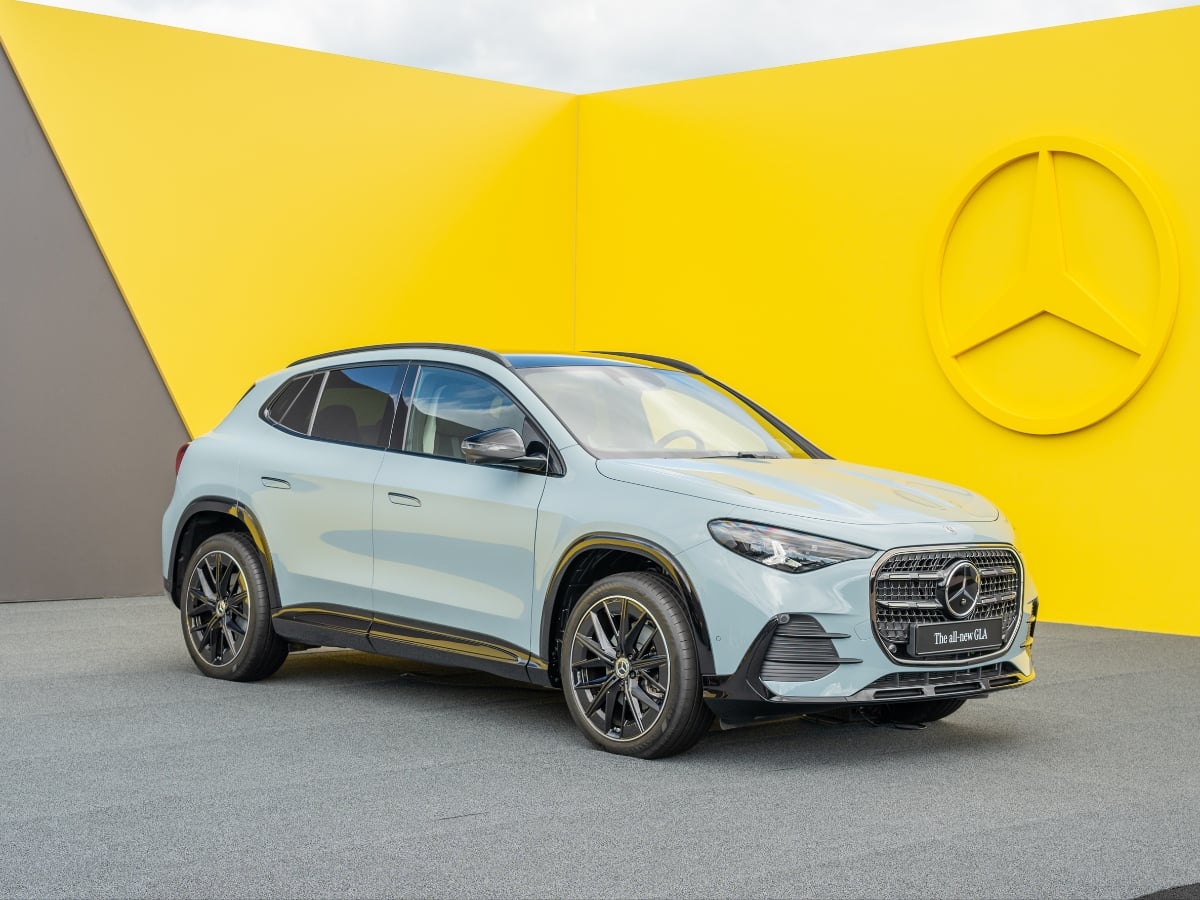
Offering both hybrid and all-electric powertrains, Mercedes-Benz's 2028 GLA SUV offers more room and more performance, helping expand the brand's presence in the ultra-competitive subcompact premium ...See More
Read the Full Article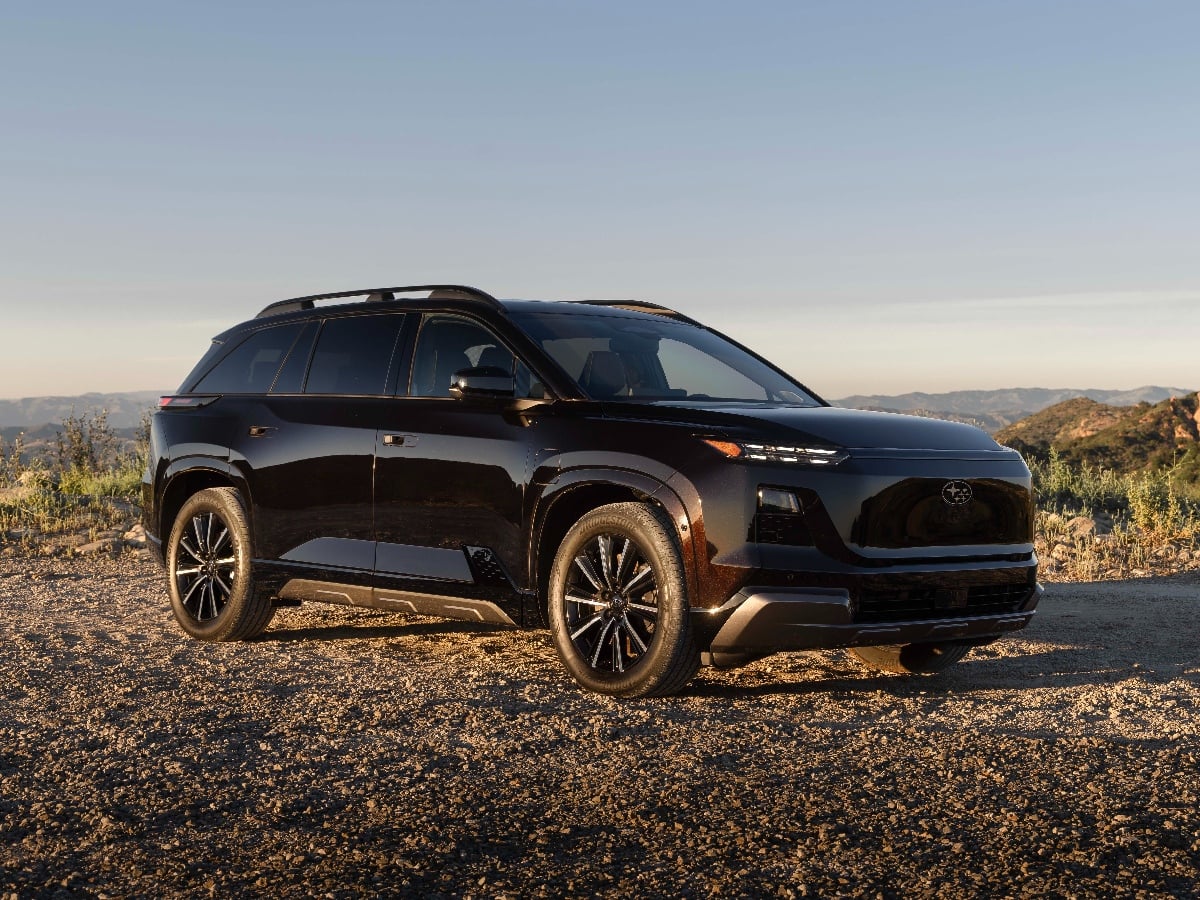
Arriving in late 2026, the new 2027 Subaru Getaway three-row SUV will be the largest of the brand’s now-trio of electric offerings, co-developed with Toyota. It has impressive specs that should make ...See More
Read the Full Article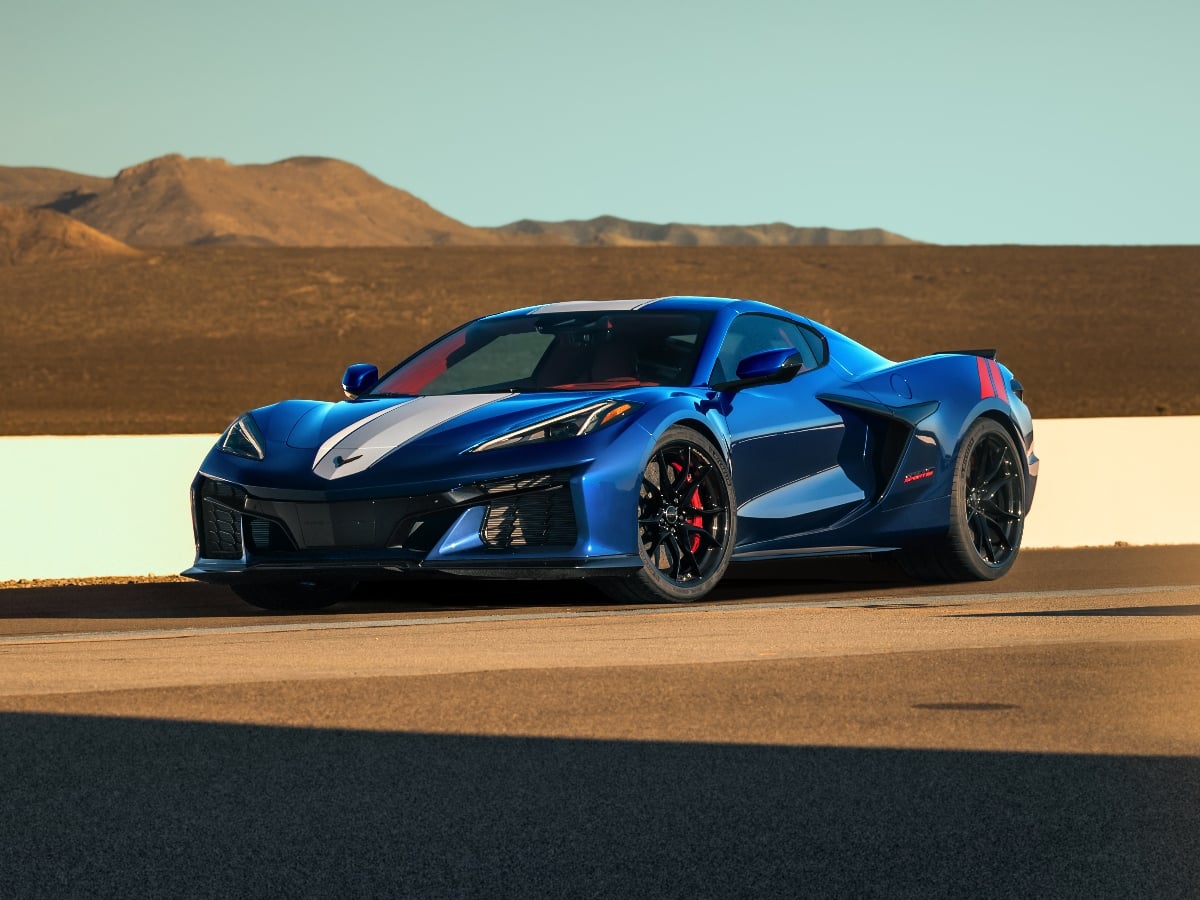
Bringing the ZR1's style to a more attainable model, the 2027 Chevrolet Corvette Grand Sport features all the best C8 go-fast bits, including an all-new 6.7-liter V8 engine.
Read the Full Article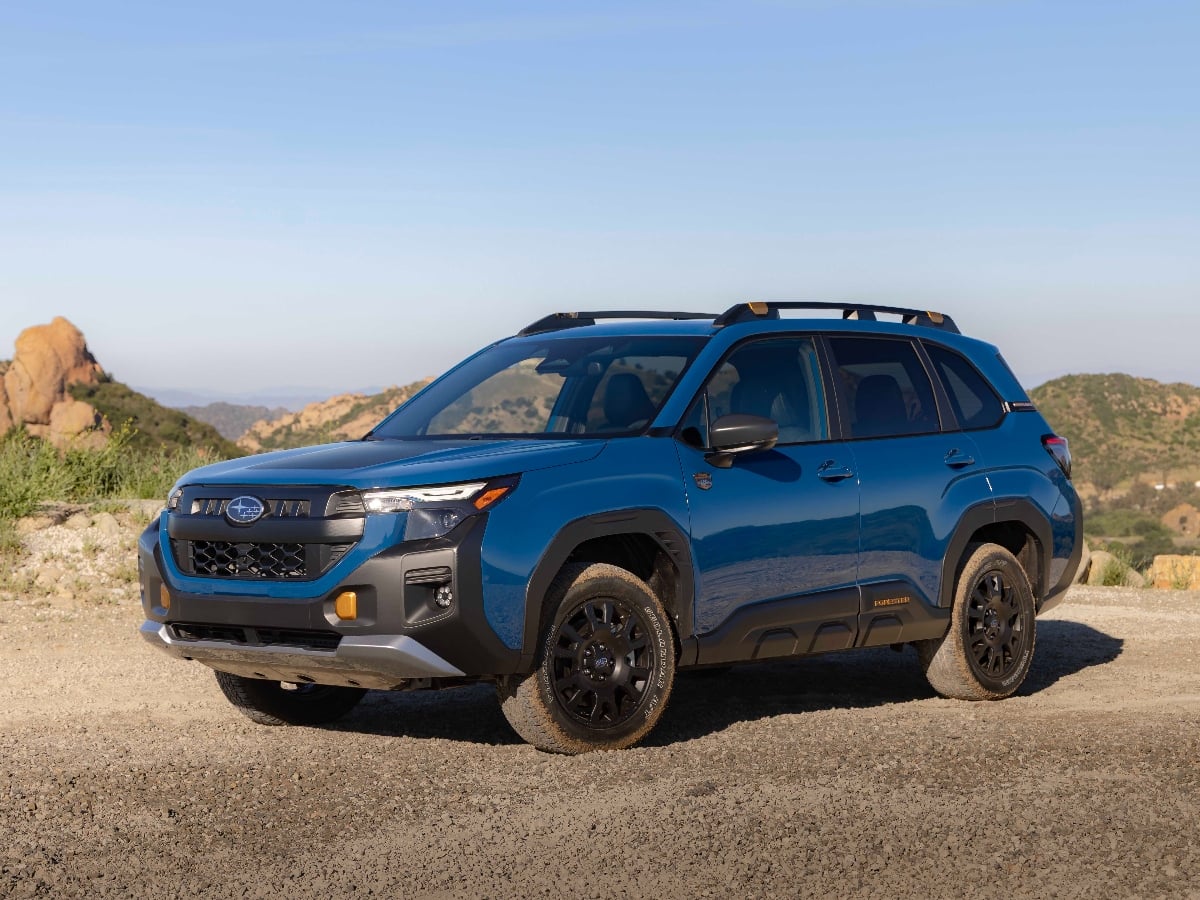
The new 2027 Subaru Forester Wilderness Hybrid brings together two branches of the existing Forester family tree: the fuel-efficient Forester Hybrid model and the off-road-oriented Wilderness trim ...See More
Read the Full Article